Ecommerce · Product brands · Auckland

From product brand to digital shelf.

Vivid Icon designs ecommerce experiences for product brands that need packaging, product presentation and digital shopping to feel like one connected system.

From product architecture and responsive interface design through to WooCommerce, payments and launch-ready content, every store is built to make the range clearer and the brand stronger.

Aliya Skin ecommerce interface across desktop, tablet and mobile alongside premium skincare presentation
Brand ledIdentity through to checkout
Product clearRanges, variants and information
Mobile readyShopping designed for small screens
PracticalStore management and launch support

The system before the screen

The store starts before the website.

A strong ecommerce experience depends on the identity, product architecture, packaging, naming, variant logic, imagery, pricing hierarchy and product information being coherent before interface design begins.

Digital design brings that system online through collections, product pages, content and purchasing pathways that feel like the brand—not like a shop template with a logo added.

Commissioned ecommerce work

One product system, expressed across pack and screen.

Two genuine client engagements at different stages: one live flagship and one active ecommerce build.

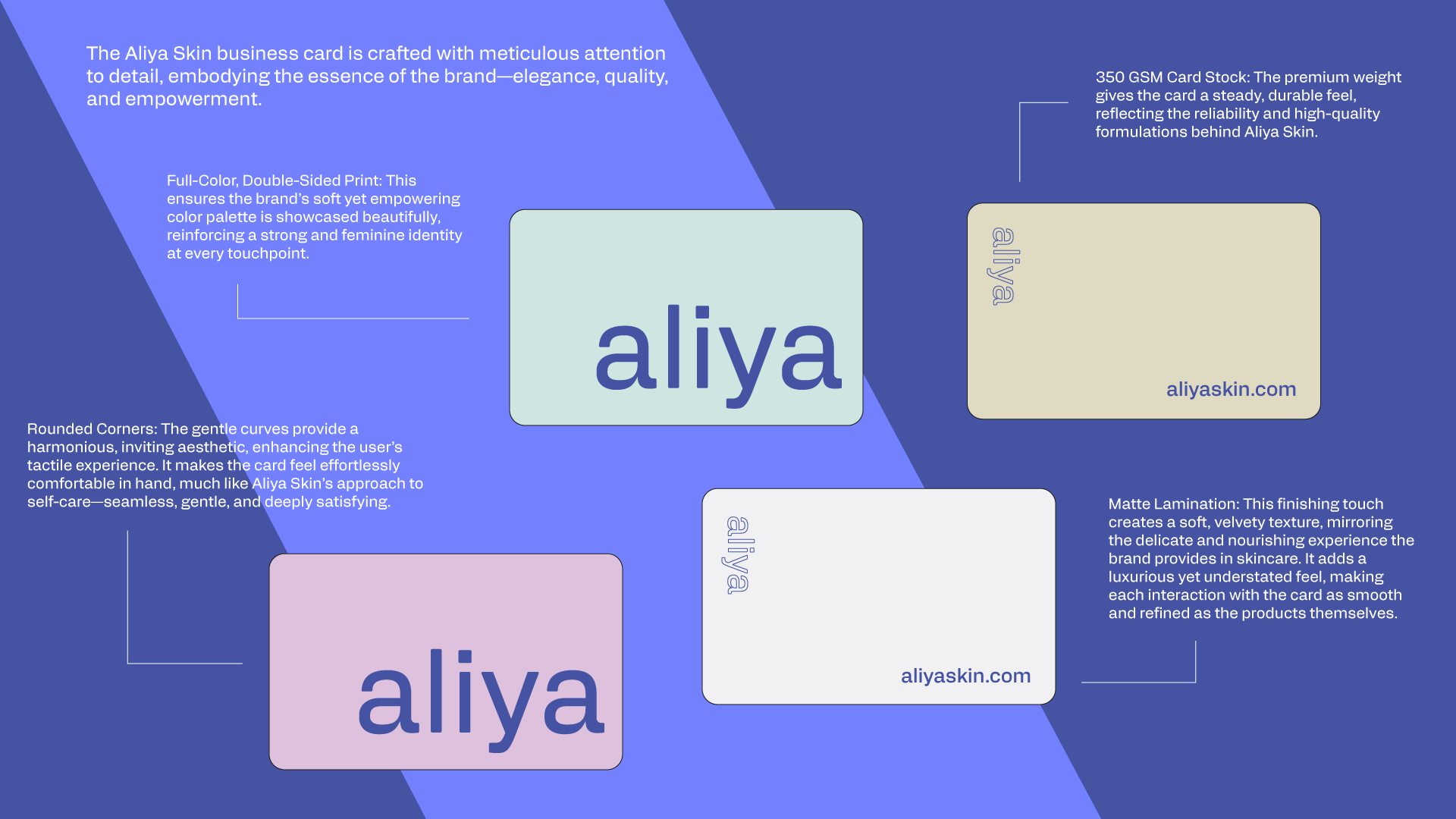
Aliya Skin responsive ecommerce homepage and product presentationAliya Skin cream packaging and premium product imagery used across ecommerceAliya Skin editorial and product information cards supporting the ecommerce brand system

Beauty / Brand / Packaging / Ecommerce

Aliya Skin

The flagship proof of a connected product experience: skincare identity, packaging, category presentation, product storytelling, ritual and science content, responsive interface and a clear path to purchase.

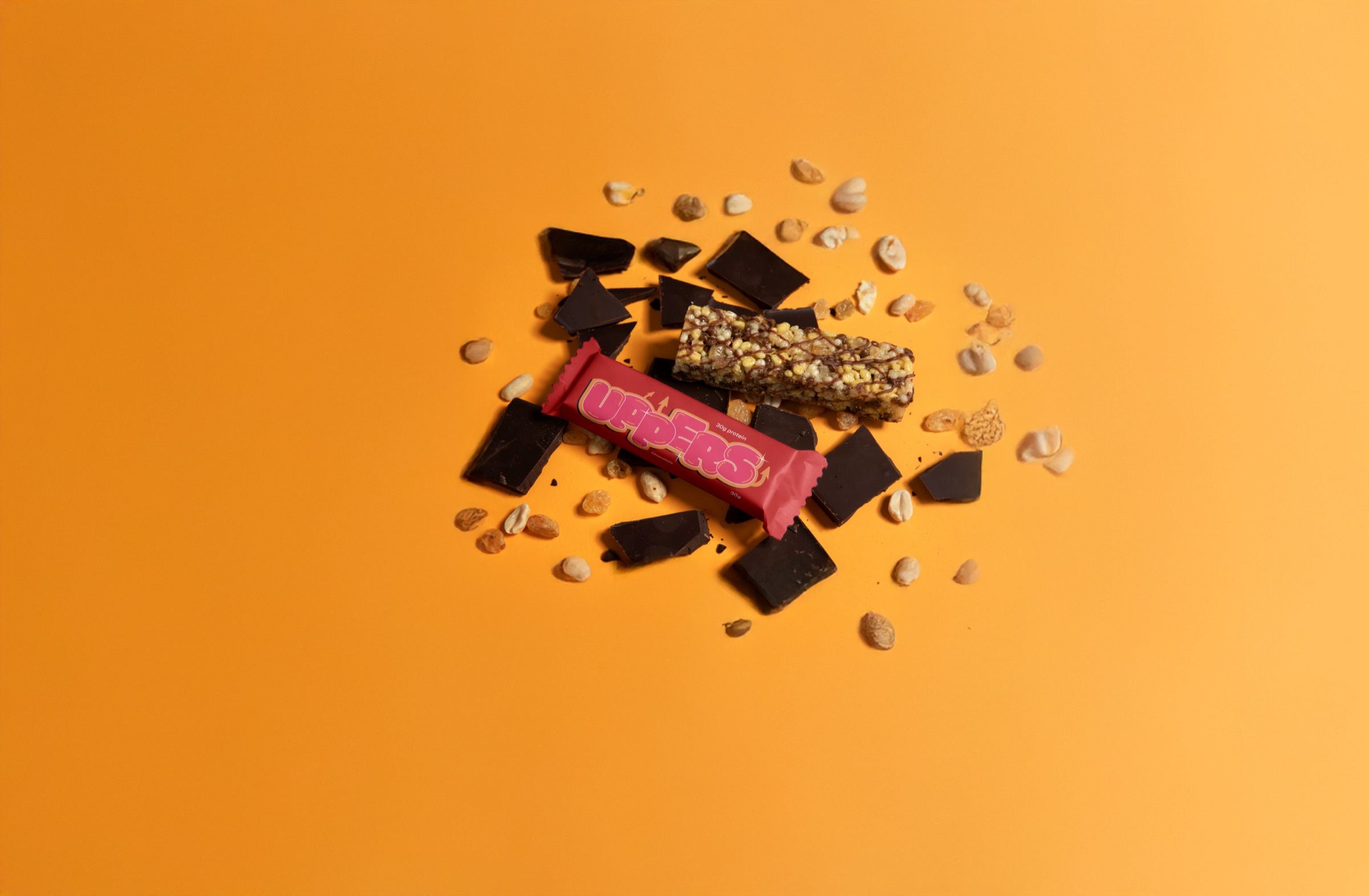
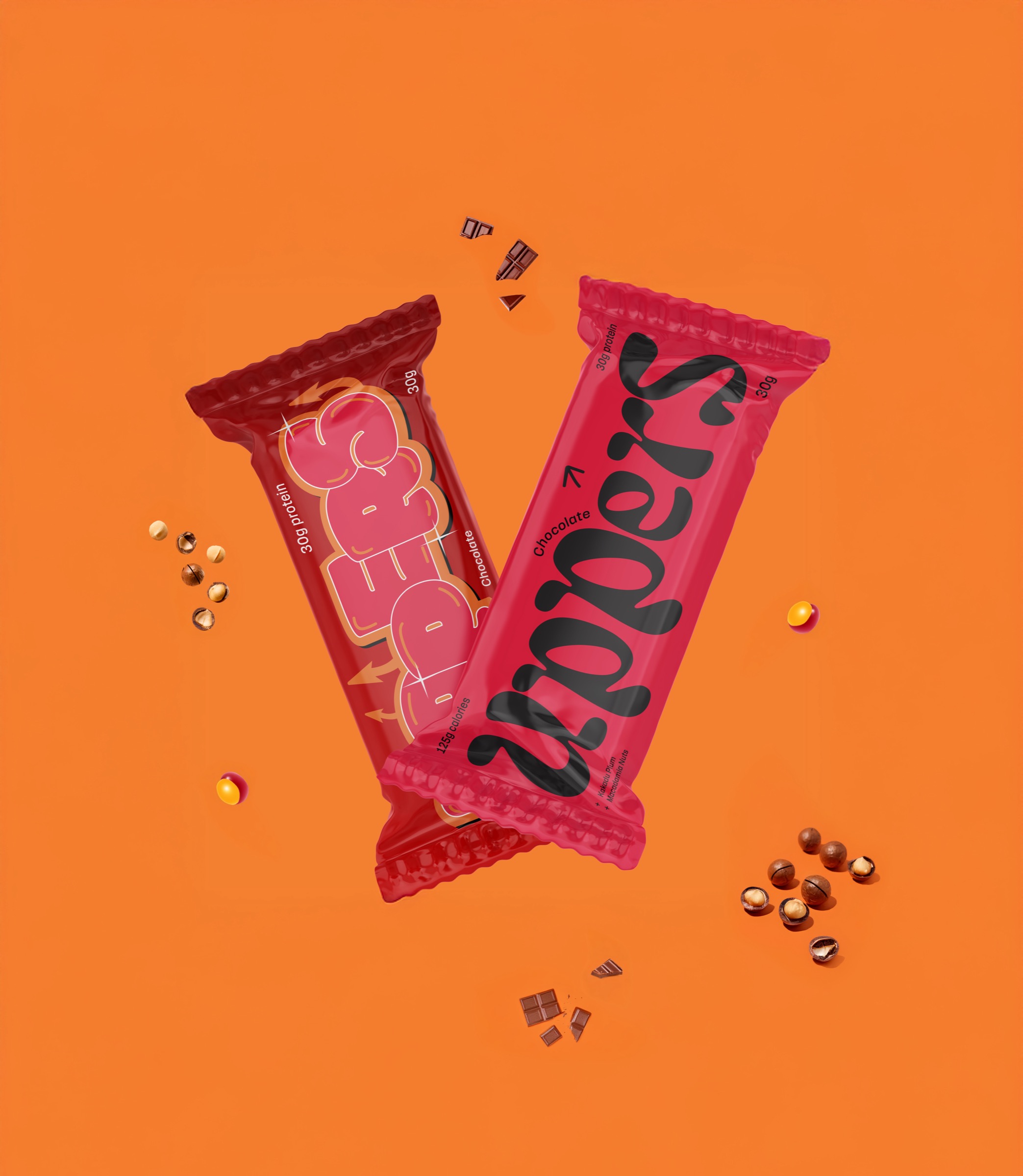
Uppers snack packaging range establishing flavour architecture for its ecommerce websiteUppers multi-SKU protein bar packaging with consistent product hierarchy

Food / Multi-SKU / Ecommerce in development

Uppers

The Uppers packaging system is now being extended into a full ecommerce experience designed to manage a broad product range and flavour architecture. The store is currently in development; completed interface screens have not been fabricated.

View Case Study →

Packaging → digital

The pack has to work on shelf—and at 390 pixels wide.

Typography, colour, product naming, flavour differentiation, pack hierarchy and photography need to remain recognisable when the product becomes a thumbnail, card or mobile product page.

Our packaging experience helps product ranges move online without losing the system customers see in the real world.

Explore Packaging Design →
Aliya Skin physical packaging with clear premium product hierarchyUppers packaging range using colour and naming to distinguish products

Product architecture

Make the range easy to understand.

You may be launching five products or managing a much larger range. The system should work today and remain structured enough to grow.

01

Collections & categories

Group products around the way customers browse and compare.

02

Families & variants

Clear relationships between flavours, sizes and related products.

03

Naming & navigation

Consistent product titles, labels and useful pathways.

04

Structured product data

SKUs, descriptions, pricing, inventory fields and imagery prepared consistently.

Product detail

Remove uncertainty before asking for the sale.

The individual product page needs the right mix for its category: clear name, imagery, pricing, variants, benefits, ingredients or specifications, size, delivery information, FAQs, trust and an obvious add-to-cart action.

Good structure reduces confusion without relying on unsupported promises about conversion.

Aliya Skin product brand applications and supporting product information system

The digital shelf

The digital shelf matters as much as the physical one.

Product grids need consistent cropping, pack scale, colour coding and brand hierarchy so the range remains legible on mobile. Vivid Icon can direct supplied imagery and prepare it through retouching, cleanup, compositing or mockups where included.

Professional photography is only included when specifically commissioned or coordinated through a suitable partner.

Aliya Skin consistent product cards and editorial visual hierarchy

Mobile shopping

Designed for the thumb, not just the desktop.

Navigation, product cards, filters where appropriate, variant controls, quantity, cart access and checkout actions need enough clarity and space on a small screen. The Aliya presentation demonstrates the same visual system carrying from desktop into mobile.

Aliya Skin desktop, tablet and mobile ecommerce interface showing responsive product presentation

Cart, checkout and trust

Clear steps from product decision to payment.

Configuration follows the client’s real operating model rather than generic assumptions.

Cart & checkout

Product summary, quantity, delivery information and a straightforward checkout pathway.

Payments

Suitable WooCommerce-supported gateways such as Stripe can be configured where included. Provider approval and availability still apply.

Shipping

Zones, rates, local pickup and free-shipping thresholds can reflect the client’s actual delivery model.

Trust

Clear contact details, policies, genuine product information, real imagery, SSL and recognised payment presentation.

New Zealand + Australia

Currency, shipping zones, tax settings and regional content can be configured at an implementation level. Accounting and legal advice remains with qualified advisers.

Practical store management

WooCommerce where it fits the business.

WooCommerce can connect with WordPress and provide an extendable store structure, broad payment and shipping support, and practical client management. It is not automatically the best platform for every brief; selection depends on real requirements.

Where agreed, clients can generally manage products, prices, descriptions, images, categories, stock, orders and basic content. Developer-controlled features and third-party licences are documented in scope.

Products and larger ranges

Product population or structured import depends on product count, category logic, SKU quality, variations, imagery, descriptions, pricing and inventory fields. Complex ERP integration is not implied.

Hosting and support

Hosting, SSL, backups, software updates, store changes and support can be scoped with clear inclusions and annual costs. Unlimited support is not promised.

SEO, performance and measurement

Products still need to be discoverable.

Useful foundations include clear product titles, clean URLs, category architecture, metadata, alt text, internal linking, canonical handling, valid structured data where supported, sitemap and crawlability. No rankings are guaranteed.

Performance

Responsive images, lazy loading, lean page structure and sensible scripts for image-heavy stores.

Structured data

Actual price, stock and review information only—never fabricated ratings or availability.

Analytics

Google Analytics, appropriate ecommerce events, conversion tracking and Search Console where included.

Security basics

SSL, reputable payment providers and routine software updates without claiming absolute security.

Brand + packaging + ecommerce

One studio from identity to checkout.

Aliya and Uppers show the advantage of one connected creative system across identity, packaging, product presentation, ecommerce direction and launch material. Campaign imagery, product content and social graphics can also be scoped without implying ongoing social-media management.

Different starting points

A store structure matched to the business stage.

01

Launching a new product brand

Identity, packaging, range, ecommerce and launch visuals where included.

02

Moving an existing range online

Store structure, product setup, imagery, categories, payment and shipping.

03

Rebuilding an existing store

Stronger brand expression, mobile UX, product architecture and SEO-aware migration.

A practical ecommerce process

From product range to production launch.

The depth flexes around product count, content and functionality.

01

Understand

Products, customers, shipping and payments.

02

Structure

Navigation, collections and hierarchy.

03

Design

Brand, interface, product and mobile.

04

Build & configure

Store, payments, shipping and content model.

05

Populate & test

Products, imagery, checkout and responsive QA.

06

Launch

Domain, redirects, analytics and indexing.

Store redesign and migration

Protect what is useful while making the experience clearer.

Existing stores may need better mobile presentation, cleaner navigation, consistent imagery, fewer unnecessary plugins and stronger brand expression.

  • Preserve valuable product and category URLs where practical
  • Map redirects for changed or removed content
  • Retain useful product information and metadata
  • Review canonicals, sitemap and indexing
  • Test payment, shipping, analytics and checkout

Careful migration reduces risk but cannot guarantee zero search volatility.

Related insights

Useful preparation for product businesses.

Frequently asked questions

Practical answers before the build.

How much does an ecommerce website cost?

Cost depends on products, categories, design, content, integrations, shipping, payments, migration and custom functions.

Which ecommerce platform do you use?

WooCommerce is a practical option where it fits. Platform selection depends on real requirements.

Can we update products ourselves?

Products, prices, images, categories, stock and orders can generally be managed according to configuration and training.

Can you add our existing products?

Product population or import can be scoped based on count, data quality, variations and imagery.

Can you design our packaging too?

Yes. Explore Packaging Design.

Can you rebuild an existing store?

Yes, with product architecture, mobile UX and SEO-aware migration planning.

Do you set up payment gateways?

Suitable supported gateways such as Stripe can be configured where included; provider approval still applies.

Can the store sell in New Zealand and Australia?

Regional currency, shipping and tax settings can be configured to the actual business model.

Do you provide product photography?

We can direct and prepare supplied imagery. Professional photography is included only when specifically commissioned.


Start an ecommerce project

Ready to turn the product range into a store?

Tell us what you are selling, how many products are involved and where the brand needs to go next. We will help define the right ecommerce structure, design and build.

Ecommerce design across Auckland. We work with product and retail businesses throughout Auckland on brand-led, scalable online stores. View Auckland service areas →

Planning product discovery and checkout? Our UX and UI capability covers product hierarchy, filtering, cart and responsive shopping journeys. Explore UX & UI Design →