
Digital
Why SEO matters when redesigning your website
How existing URLs, structure, metadata and internal links affect a responsible website migration.
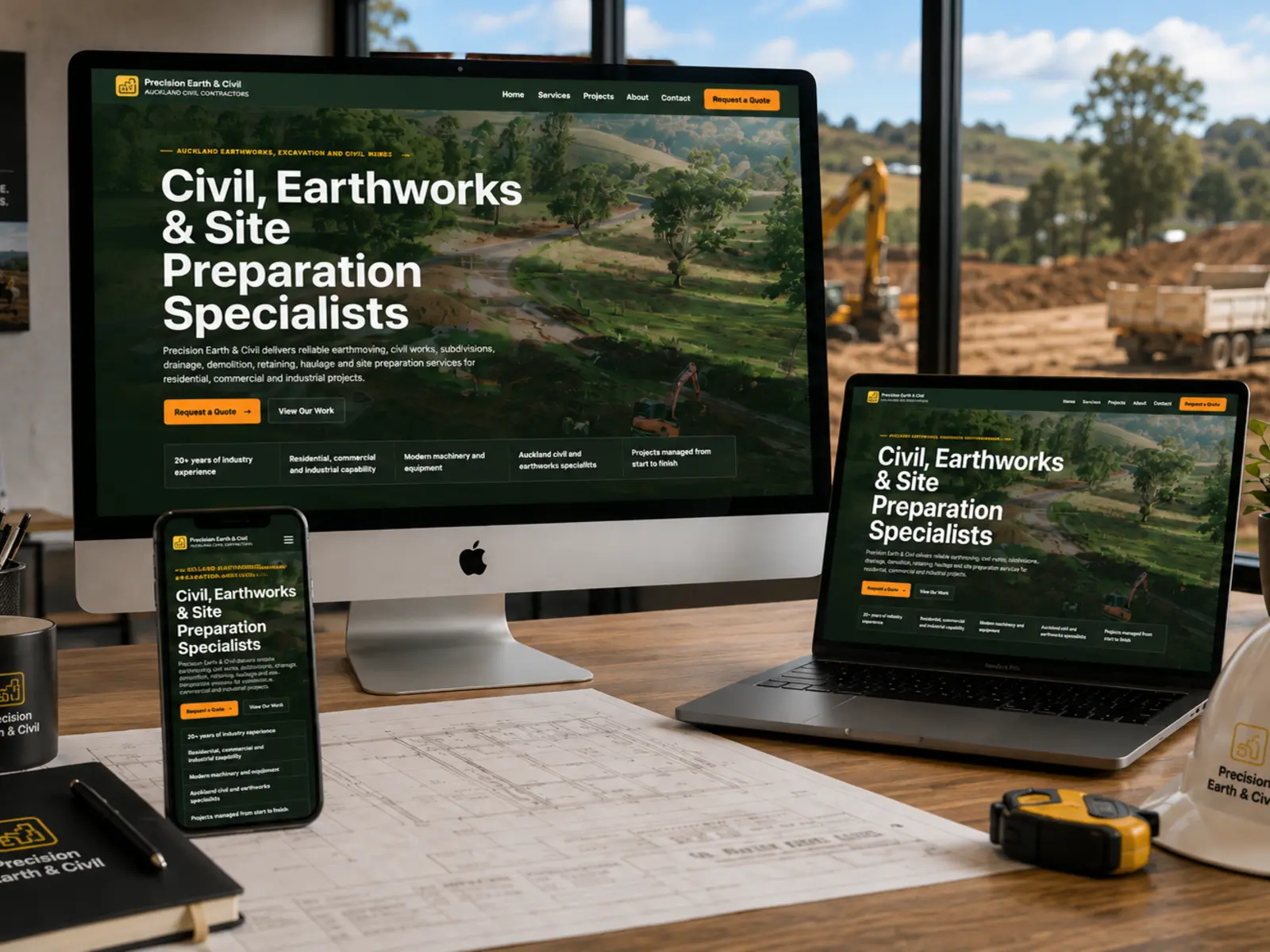
SEO protects visibility during redesign and helps the new site launch with better page structure, headings, metadata and internal links. For Auckland and New Zealand businesses, the strongest design decisions are the ones that connect brand clarity, customer confidence, production detail and the next action a customer should take.
Redesigns can lose existing visibility
A website redesign can improve trust and conversion, but it can also damage search visibility if it is handled carelessly. Changing URLs, removing useful copy, weakening headings, deleting service pages or forgetting redirects can cause rankings to drop. Even an old website may have earned signals over time. A redesign should protect what is working while improving the structure, content and user experience.
SEO should guide structure
SEO should be considered before visual design is finalised. Priority services, target searches, locations, FAQs, proof sections, title tags, descriptions, image alt text and internal links all influence the page structure. For Auckland businesses, service pages often need enough detail to answer customer questions and enough clarity for Google to understand the business. Design and SEO should work together, not compete.
Launch with measurement
A better website should be easier to measure after launch. Analytics, conversion events, form tracking, Search Console, sitemap submission and post-launch checks help show what is working. Redirects should be tested, important pages should be indexed, and contact paths should be checked on mobile. SEO is not finished on launch day; the new website should give the business a stronger base to improve from.
Common redesign SEO mistakes to avoid
The most common redesign mistake is launching a beautiful new website while losing the search value the old site had built. This can happen when old URLs are deleted, service pages are merged too heavily, headings become vague, page titles are duplicated or useful content is removed. Another mistake is treating SEO as a final checklist after design is complete. Search intent should influence the page structure from the start. For Auckland businesses, local service relevance, proof, location context and clear enquiry paths all need to survive the redesign.
How to judge SEO success after launch
A redesign should be monitored after it goes live. Check that key pages are indexable, old important URLs redirect correctly, the sitemap is submitted, forms work, mobile usability is clean and Search Console is not showing unexpected coverage issues. Rankings and traffic can move during the transition, so the first weeks are about protecting visibility and fixing issues quickly. Over time, success looks like stronger service pages, clearer internal links, better content depth and more useful enquiries from people who understand what the business offers.
How design and SEO work together
SEO does not mean a website has to look plain or overloaded with text. The best redesigns use design to make useful content easier to scan. Strong headings, clear service blocks, helpful FAQs, proof sections, internal links and fast contact paths can all improve both user experience and search clarity. When the design team understands SEO from the start, the website can feel premium while still giving Google enough structure to understand the business, services and locations being served.
Auckland and New Zealand context
Local businesses often compete on trust before price. A customer might compare several Auckland studios, websites, packaging examples or signage suppliers before making contact. Strong creative work should therefore help the business look established, explain its offer clearly and support both search visibility and real-world customer decisions. Vivid Icon brings brand, website, packaging, print and signage thinking together so each project can work beyond a single screen or file.
What to prepare before starting
Before asking for a quote, gather the practical details that will shape the scope. Useful information includes your current website or brand files, examples of competitors, any existing photography, product details, page lists, print sizes, packaging supplier information, signage locations, launch dates and the main customer action you want to improve. A budget range is also helpful because it shows whether the project should be a lean starting point, a more complete system or a staged rollout.
How Vivid Icon approaches the work
Our approach is to connect creative quality with practical delivery. That means thinking about how the work will look, how it will be used, who needs to maintain it and how customers will respond. A logo should work on a sign and a social profile. A website should be easy to understand and ready for search. Packaging should look premium and still respect print requirements. The strongest projects are not isolated assets; they become a clear system the business can keep using.
Useful next steps
If you are planning a project, review the pages below, gather examples of what feels right, and prepare any existing brand files, website links, product information or supplier details. A clearer starting point makes the recommendation sharper.
Quick checklist before you brief the project
- Write down the business goal and the customer action you want to improve.
- Gather current brand files, website links, product details, photos and supplier notes.
- List the pages, packaging sizes, print pieces or signage areas that need design attention.
- Share your preferred timeline, budget range and examples of what feels right or wrong.
Frequently asked questions
Can a redesign hurt SEO?
Yes. Rankings can drop if URLs, headings, page content, metadata, internal links or redirects are changed without a plan.
What SEO checks should happen before launch?
Check page titles, descriptions, headings, image alt text, sitemap, robots file, redirects, analytics and Search Console readiness.
Should old URLs be redirected?
Yes. Important old URLs should redirect to the most relevant new page so users and search engines do not hit dead ends.
Related service
Websites & Digital
Explore the service →See this in practice
Website case studies
View related work →Working through a similar problem?
Start with the business and the context.
If you are planning a brand, packaging or digital project, Vivid Icon can help define the right approach.