
Packaging
Practical packaging design tips for food brands
Useful considerations for hierarchy, product recognition, range architecture and production preparation.
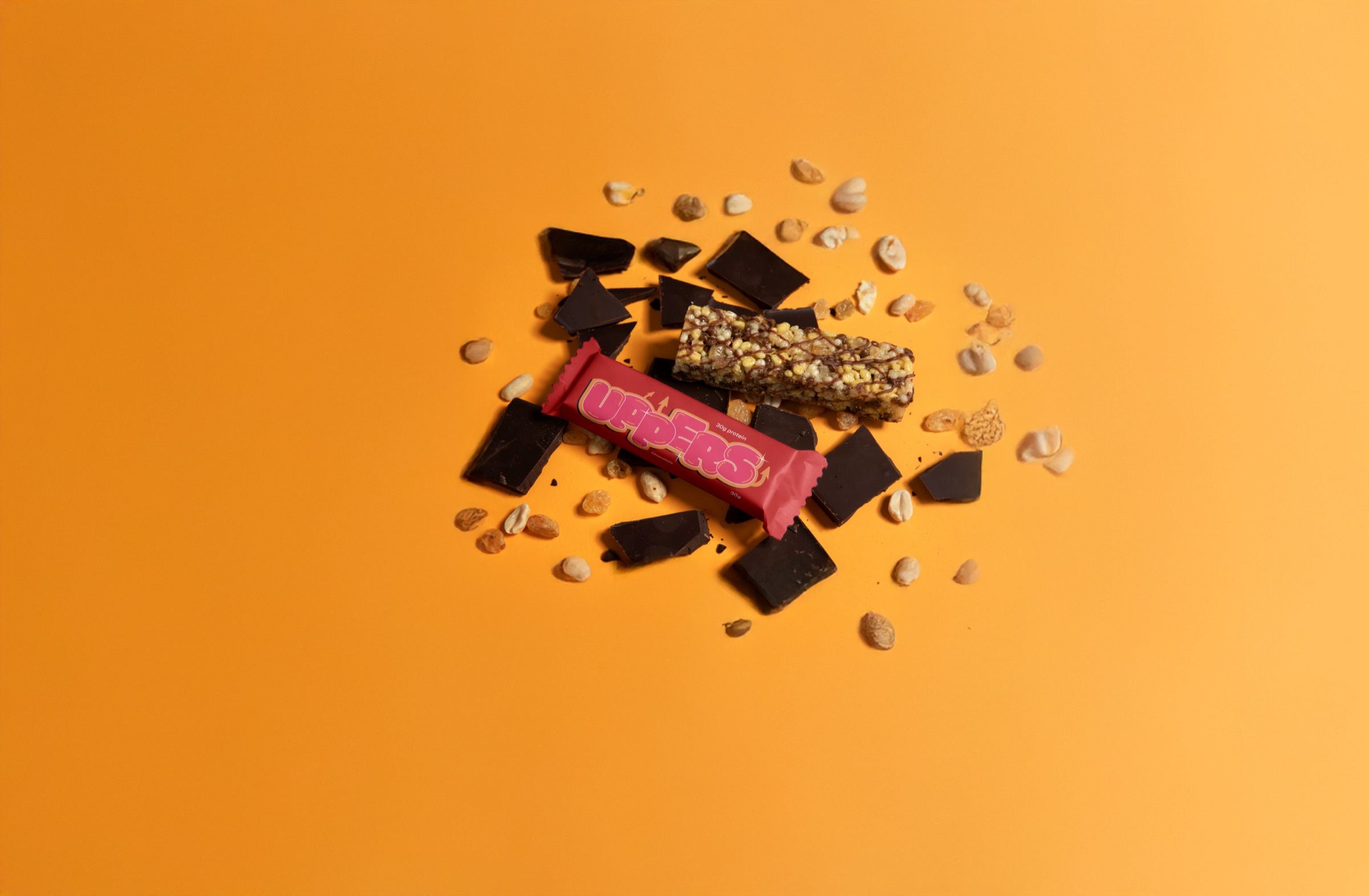
Food packaging needs appetite appeal, ingredient clarity, compliance awareness, shelf contrast and consistent range architecture. For Auckland and New Zealand businesses, the strongest design decisions are the ones that connect brand clarity, customer confidence, production detail and the next action a customer should take.
Make the food easy to understand
Food packaging should communicate the product type, flavour, key benefit, quantity and usage quickly. Customers are often comparing options on a busy shelf or scrolling through an online store, so clarity matters. The brand, product name and flavour need a clear hierarchy. Supporting details like protein, gluten-free, handmade, local or serving suggestions should help the sale without crowding the design.
Use appetite appeal with restraint
Photography, illustration, colour and texture can create desire, but appetite appeal needs control. A food package still has to leave space for ingredients, nutrition information, barcode, legal copy and supplier requirements. Overly busy packaging can feel rushed or confusing. The strongest food packaging balances appetite, trust and order so the product feels desirable and professionally made.
Plan for range growth
Food brands often start with one product and quickly need more flavours, seasonal editions, multipacks or campaign graphics. A repeatable packaging system makes this growth easier. Colour coding, flavour panels, image rules and consistent typography help customers recognise the brand while still understanding each product. This is especially important for New Zealand brands preparing for retail, ecommerce or wholesale conversations.
Common food packaging mistakes to avoid
Food packaging can fail when it looks appealing but does not communicate quickly enough. Customers need to recognise the product type, flavour, key benefit and brand without working hard. Another mistake is making every flavour too different, which can weaken range recognition on shelf. Food brands also need to be careful with low-quality photography, crowded claims, weak contrast and late changes to mandatory information. Before print, artwork should be checked against supplier requirements, barcode placement, ingredients, nutrition panels and any legal or export considerations that apply.
How to judge food packaging success
Good food packaging should make the product feel trustworthy, appetising and easy to compare. It should stand up in a retail environment, look professional in ecommerce photos and support future flavours or product lines. For New Zealand food brands, strong packaging can also help with buyer conversations, market stalls, wholesale presentations and launch campaigns. Useful signs include clearer flavour navigation, better brand recognition across the range, stronger shelf contrast and a more premium presentation when the product is photographed, packed or displayed.
How food packaging connects to the wider brand
Food packaging should not sit apart from the rest of the brand. The same visual language should support website banners, ecommerce product pages, social posts, market signage, buyer presentations and launch advertising. When packaging, photography, website design and marketing collateral all feel connected, the product appears more established. This is especially helpful for New Zealand food brands trying to move from small-batch launch to retail, wholesale or export conversations, where buyers need confidence that the brand can present itself professionally.
Auckland and New Zealand context
Local businesses often compete on trust before price. A customer might compare several Auckland studios, websites, packaging examples or signage suppliers before making contact. Strong creative work should therefore help the business look established, explain its offer clearly and support both search visibility and real-world customer decisions. Vivid Icon brings brand, website, packaging, print and signage thinking together so each project can work beyond a single screen or file.
What to prepare before starting
Before asking for a quote, gather the practical details that will shape the scope. Useful information includes your current website or brand files, examples of competitors, any existing photography, product details, page lists, print sizes, packaging supplier information, signage locations, launch dates and the main customer action you want to improve. A budget range is also helpful because it shows whether the project should be a lean starting point, a more complete system or a staged rollout.
How Vivid Icon approaches the work
Our approach is to connect creative quality with practical delivery. That means thinking about how the work will look, how it will be used, who needs to maintain it and how customers will respond. A logo should work on a sign and a social profile. A website should be easy to understand and ready for search. Packaging should look premium and still respect print requirements. The strongest projects are not isolated assets; they become a clear system the business can keep using.
Useful next steps
If you are planning a project, review the pages below, gather examples of what feels right, and prepare any existing brand files, website links, product information or supplier details. A clearer starting point makes the recommendation sharper.
Quick checklist before you brief the project
- Write down the business goal and the customer action you want to improve.
- Gather current brand files, website links, product details, photos and supplier notes.
- List the pages, packaging sizes, print pieces or signage areas that need design attention.
- Share your preferred timeline, budget range and examples of what feels right or wrong.
Frequently asked questions
What matters most on food packaging?
Food packaging needs appetite appeal, clear product information, shelf contrast, compliance awareness and a range system that can grow.
Should food packaging use photography?
Photography can help, but it must be high quality and balanced with typography, hierarchy, legal copy and brand recognition.
Can Vivid Icon create packaging mockups?
Yes. We can create packaging mockups for presentations, launch planning, ecommerce listings and buyer conversations.
Related service
Packaging Design
Explore the service →See this in practice
Uppers
View related work →Working through a similar problem?
Start with the business and the context.
If you are planning a brand, packaging or digital project, Vivid Icon can help define the right approach.