
Business & Creative Process
How to prepare a useful design brief
The information that helps a designer understand the business, audience, priorities and practical constraints.
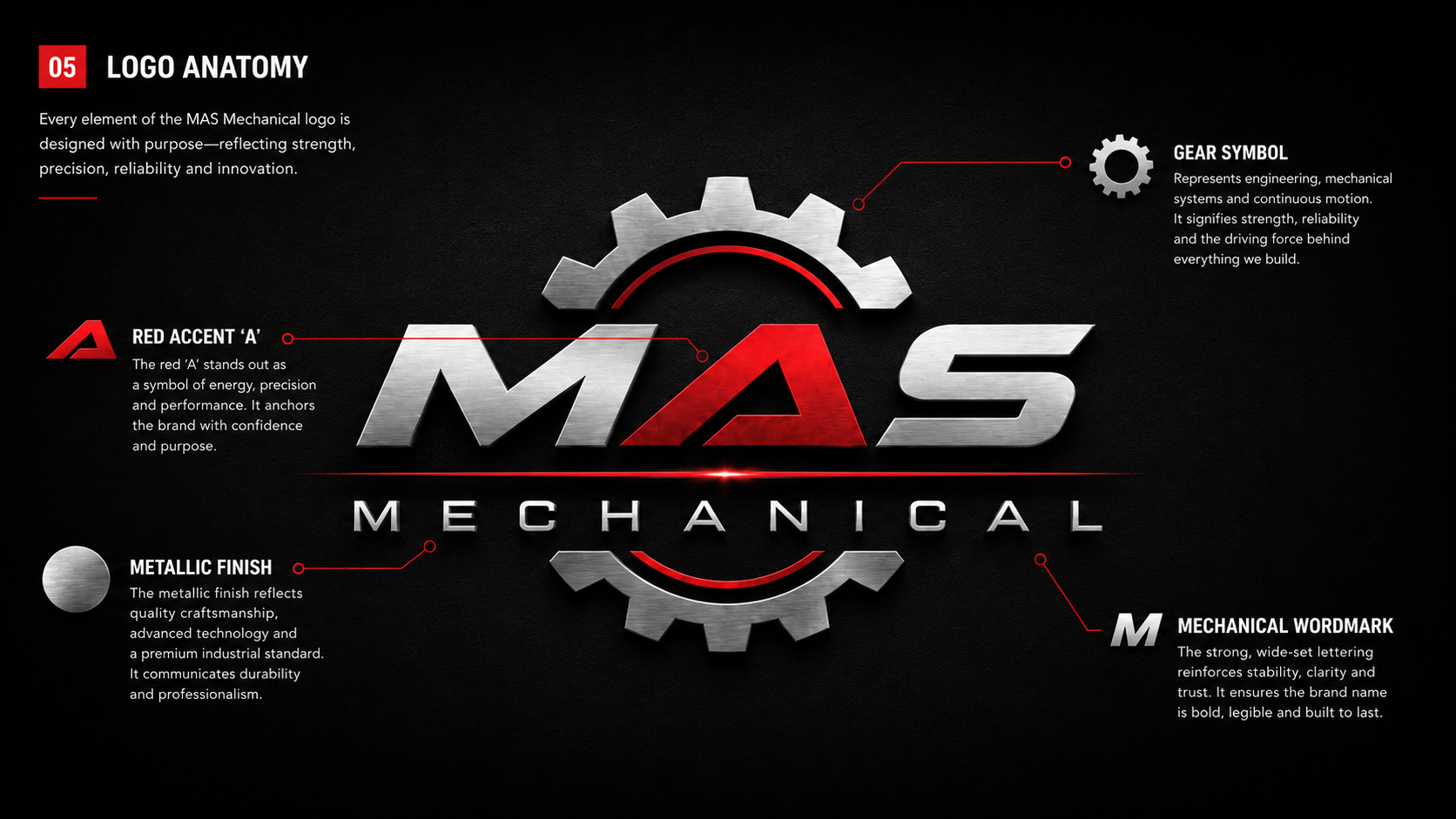
A strong design brief explains the business, audience, goals, competitors, deliverables, budget, timeline and examples of what feels right. For Auckland and New Zealand businesses, the strongest design decisions are the ones that connect brand clarity, customer confidence, production detail and the next action a customer should take.
Describe the business clearly
A useful design brief explains what the business sells, who it helps, where it operates and what makes it different. It should also explain what customers should feel when they see the brand: premium, reliable, technical, friendly, bold, calm or established. Clear context helps the designer make better decisions about typography, colour, layout, content hierarchy and the level of polish required.
List the deliverables and constraints
The brief should list the actual outputs needed: logo files, website pages, packaging labels, flyers, signage sizes, vehicle graphics, social assets, presentation decks or print-ready artwork. It should also include constraints such as deadlines, supplier requirements, budget range, existing brand assets, copy availability, photography needs and approval steps. These details prevent surprises and make quoting more accurate.
Share examples with reasons
References are most useful when they explain why something feels right or wrong. Instead of only sending screenshots, describe what you like: the typography, colour, simplicity, premium feeling, photography style, boldness, layout or level of detail. It is just as helpful to share examples you dislike. This gives the creative direction a stronger starting point while still leaving room for original work.
Common brief mistakes to avoid
The weakest briefs are either too vague or too prescriptive. A brief that only says make it modern leaves the designer guessing, while a brief that dictates every layout decision can remove the opportunity for better creative thinking. Another mistake is leaving out practical information such as sizes, quantities, web pages, supplier details, launch dates, required file types or approval steps. A good brief explains the business problem, the audience, the deliverables and the boundaries, then gives the creative team room to solve the problem properly.
How to judge whether the brief is useful
A useful brief should make the next step obvious. After reading it, the design team should understand who the work is for, what it needs to achieve, where it will appear, what content exists, what needs to be created and what the timing looks like. The brief does not need to be perfect, but it should reduce uncertainty. If it helps Vivid Icon recommend the right scope, ask sharper questions and prepare a clearer quote, it has done its job.
What happens after the brief is shared
Once a brief is shared, the best next step is usually a conversation. The design team can check assumptions, confirm what is included, identify missing content and recommend a practical order of work. For example, a website may need brand refinement first, packaging may need supplier details before final artwork, and signage may need site photos or measurements. A good brief does not have to answer everything; it simply gives the project enough direction that the right questions can be asked early.
Auckland and New Zealand context
Local businesses often compete on trust before price. A customer might compare several Auckland studios, websites, packaging examples or signage suppliers before making contact. Strong creative work should therefore help the business look established, explain its offer clearly and support both search visibility and real-world customer decisions. Vivid Icon brings brand, website, packaging, print and signage thinking together so each project can work beyond a single screen or file.
What to prepare before starting
Before asking for a quote, gather the practical details that will shape the scope. Useful information includes your current website or brand files, examples of competitors, any existing photography, product details, page lists, print sizes, packaging supplier information, signage locations, launch dates and the main customer action you want to improve. A budget range is also helpful because it shows whether the project should be a lean starting point, a more complete system or a staged rollout.
How Vivid Icon approaches the work
Our approach is to connect creative quality with practical delivery. That means thinking about how the work will look, how it will be used, who needs to maintain it and how customers will respond. A logo should work on a sign and a social profile. A website should be easy to understand and ready for search. Packaging should look premium and still respect print requirements. The strongest projects are not isolated assets; they become a clear system the business can keep using.
Useful next steps
If you are planning a project, review the pages below, gather examples of what feels right, and prepare any existing brand files, website links, product information or supplier details. A clearer starting point makes the recommendation sharper.
Quick checklist before you brief the project
- Write down the business goal and the customer action you want to improve.
- Gather current brand files, website links, product details, photos and supplier notes.
- List the pages, packaging sizes, print pieces or signage areas that need design attention.
- Share your preferred timeline, budget range and examples of what feels right or wrong.
Frequently asked questions
What should a design brief include?
Include business background, audience, goals, deliverables, examples, budget range, timeline, existing assets and any print or website requirements.
Do I need all content ready before speaking to Vivid Icon?
No. Early conversations can help shape content requirements, but clearer information makes scoping and quoting much easier.
Why is a budget range useful?
A budget range helps match the scope to the right level of strategy, design detail, production and launch support.
Related service
Graphic Design
Explore the service →See this in practice
Selected work
View related work →Working through a similar problem?
Start with the business and the context.
If you are planning a brand, packaging or digital project, Vivid Icon can help define the right approach.